

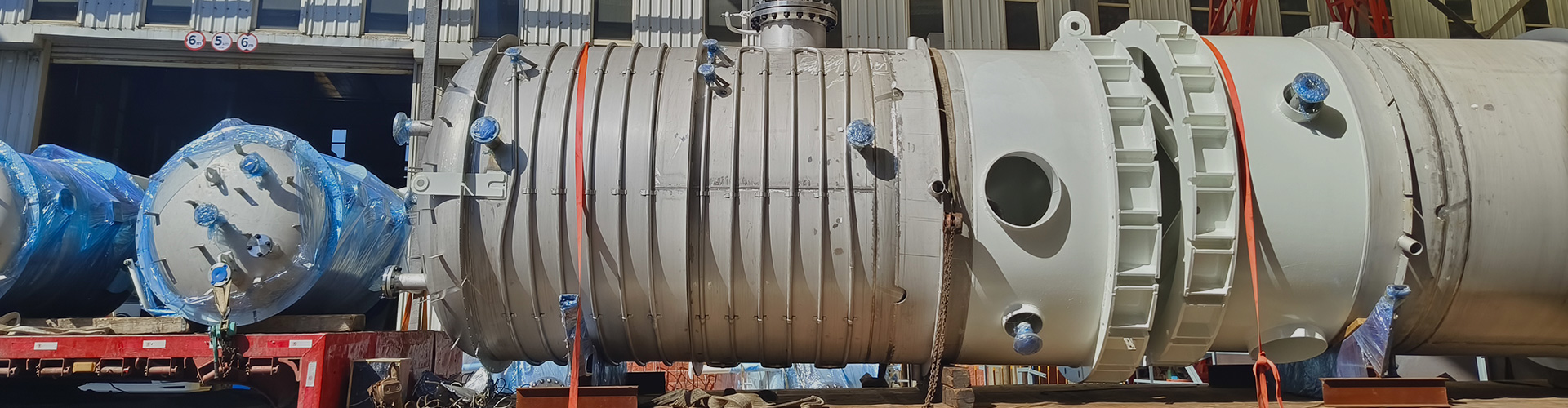
A pressure tank, also known as an expansion tank, is a vital component widely used in water supply, hydraulic and heating systems. Its core function is to store pressurized fluid and balance system pressure fluctuations, avoiding frequent start-stop of pumps and protecting the whole pipeline system.
The interior of a typical pressure tank is divided into two parts by an elastic diaphragm or bladder. One side is filled with compressed inert gas, usually air or nitrogen; the other side connects to the fluid pipeline for holding liquid. When the water pump starts running, liquid flows into the tank under pump pressure. As liquid volume increases, the diaphragm compresses the gas chamber, and the internal pressure of the tank rises gradually. When the pressure reaches the preset upper limit, the pump stops automatically. At this time, the compressed gas keeps squeezing the diaphragm, pushing stored liquid out of the tank to maintain pipeline pressure.
When water consumption rises and pipeline pressure drops to the preset lower threshold, the pump activates again to refill liquid into the pressure tank. This cyclic process stabilizes system pressure. The gas sealed inside the tank provides elastic buffer power, which is the key to its operation. Without this gas cushion, the pressure would change sharply whenever liquid flows, causing the pump to cycle rapidly.
Proper pre-charged gas pressure is essential for the pressure tank to work normally. The pre-charge value should be set according to the system’s working pressure. If gas pressure is too high, the tank’s liquid storage capacity reduces; if too low, the diaphragm may be damaged easily. In closed heating and cooling systems, the pressure tank also absorbs volume expansion of liquid caused by temperature changes, preventing excessive pressure buildup that may crack pipes or damage valves.
The pressure tank reduces pump startup frequency, cuts energy consumption and mechanical wear of pumps. It also suppresses water hammer effect produced by sudden fluid flow changes. Regular inspection of gas pressure and diaphragm integrity is required. Once the diaphragm fails, water will fill the entire tank, and the pressure tank can no longer buffer pressure, losing its basic function.


 whatsapp